
SatVu says it has started commercial operations for its HotSat-2 satellite, marking the beginning of routine tasking and delivery of thermal intelligence products to customers.
In an announcement dated 29 June 2026, the London-based Earth observation company said the move represents a transition from technology demonstration to operational delivery for government and commercial users across defence and intelligence, economic intelligence, and climate resilience applications.
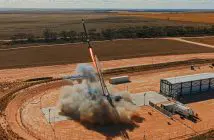
HotSat-2 launched in March on SpaceX’s Transporter-16 mission. SatVu said the start of commercial operations will allow customers to task imagery, access operational data delivery, and integrate thermal intelligence into existing workflows through its platform, APIs and enterprise services.
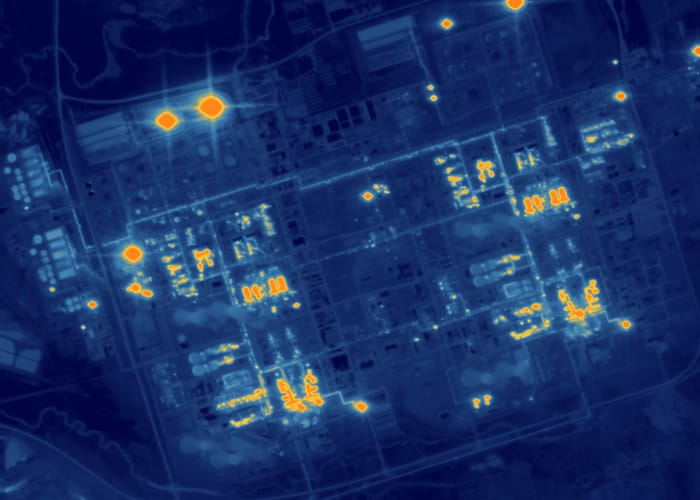
The company said recent images collected by HotSat-2 show how mid-wave infrared (MWIR) thermal data can reveal activity not visible in other Earth observation systems, citing examples from Cuba, South Africa and Saudi Arabia.
In one example, SatVu said it observed thermal activity at an oil refining facility in Santiago de Cuba two days before Cuban authorities made an official announcement. It also pointed to imagery of the Sasol Secunda complex in South Africa, describing thermal signatures as an indicator of industrial activity, utilisation and environmental impact. A third example described night-time imagery of Riyadh as a way to assess urban heat retention and potential mitigation measures.
SatVu also said it has a commercial agreement with Kongsberg, which it said is using its thermal data as part of broader geospatial and intelligence offerings.
Anthony Baker, CEO and co-founder of SatVu, said the start of commercial operations is when customers “are no longer evaluating thermal data as an emerging technology – they are integrating it into operational workflows that support strategic decision making.”
In editor’s notes accompanying the announcement, SatVu said it secured backing from the NATO Innovation Fund in February 2026, bringing total equity funding to £60 million ($80 million). It also said HotSat-3 is expected to launch later this year and that the company is working towards a constellation of 10 or more satellites in the next two to three years.